Taken
The World Health Organization estimates that more than 200 million girls and women worldwide have undergone female genital mutilation. FGM is practiced in over 30 countries, mainly in Africa and the Middle East, but its roots reach into communities across many cultures, including parts of the West and Latin America.
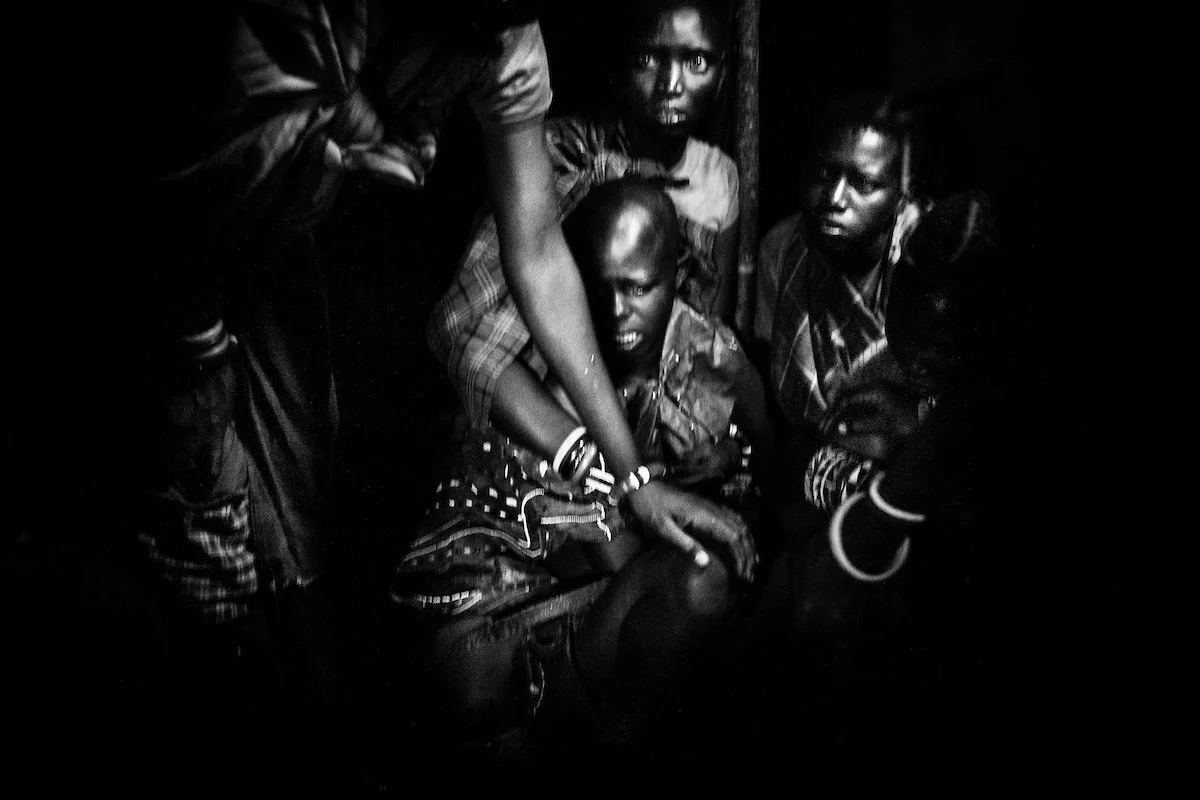
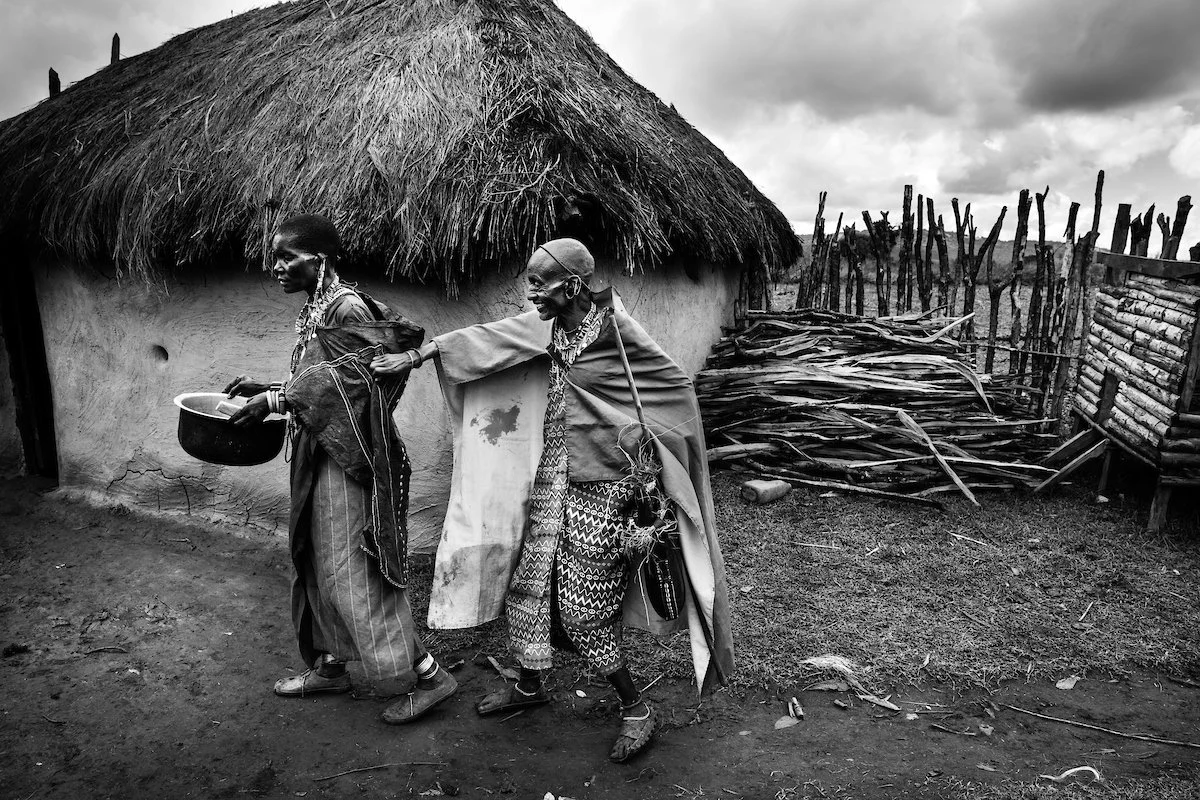
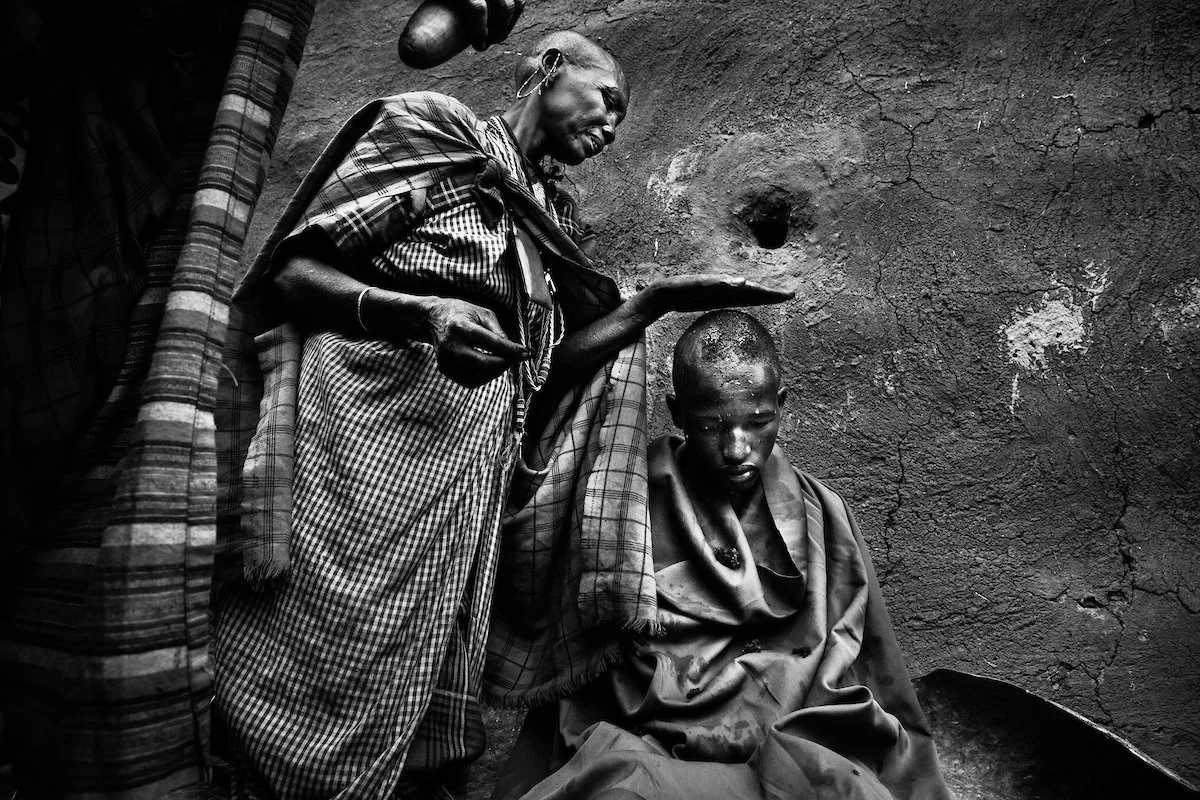
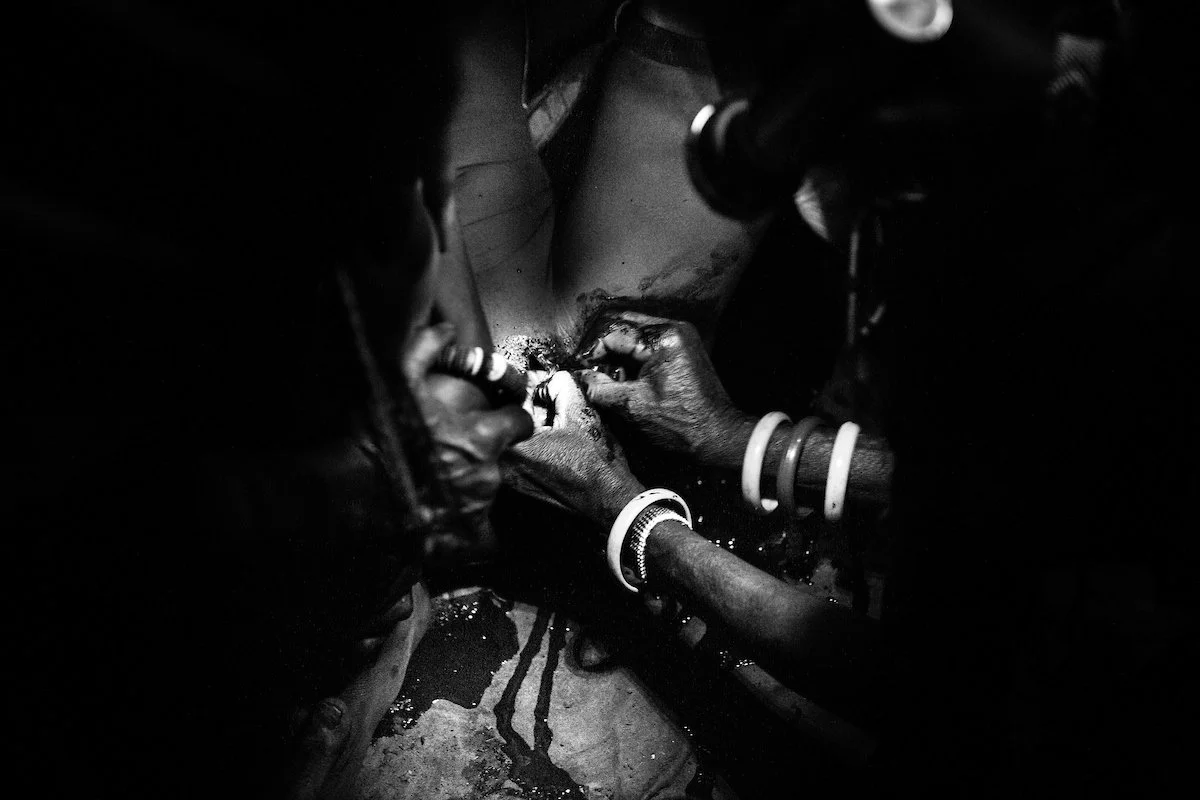
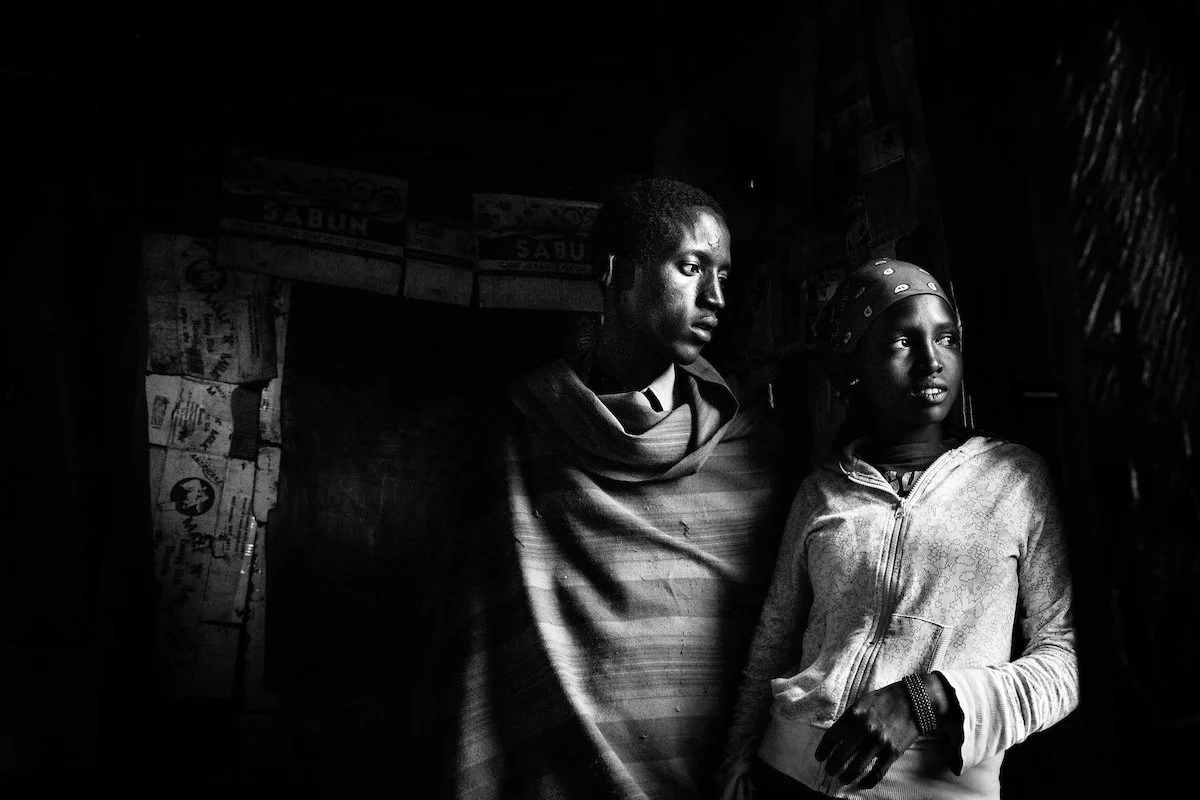
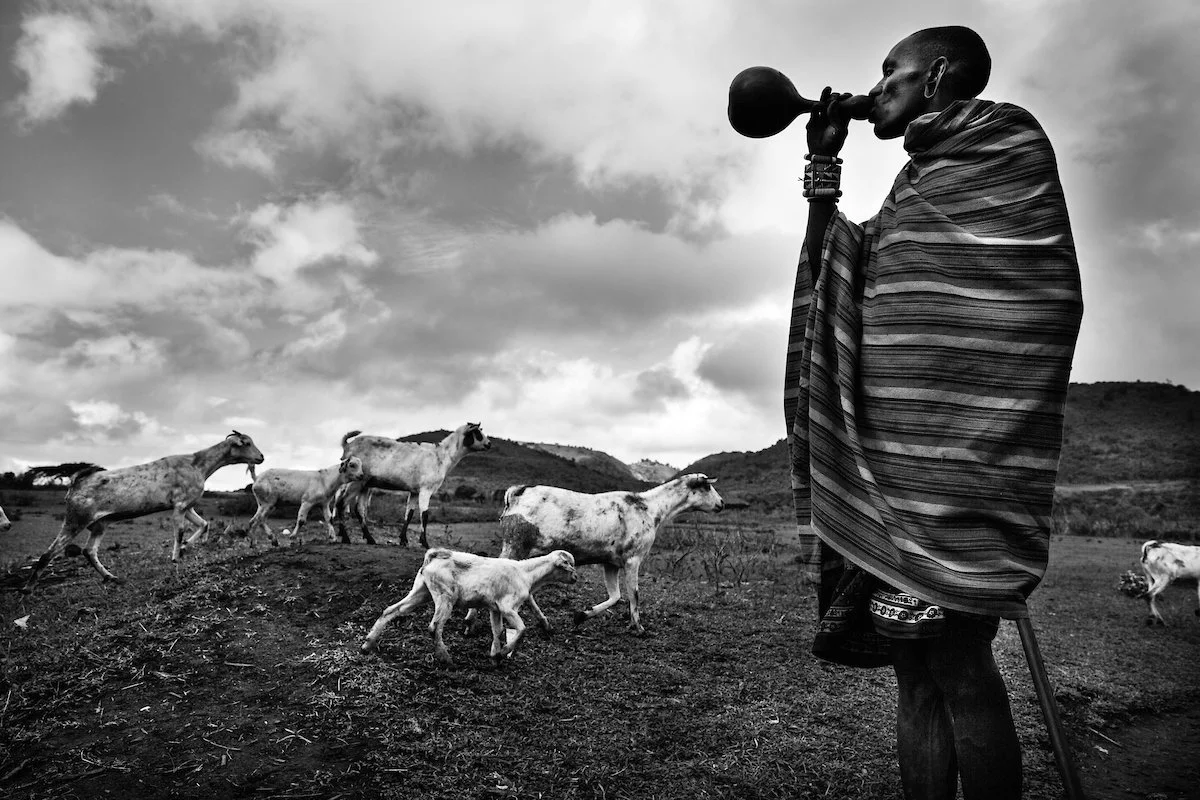
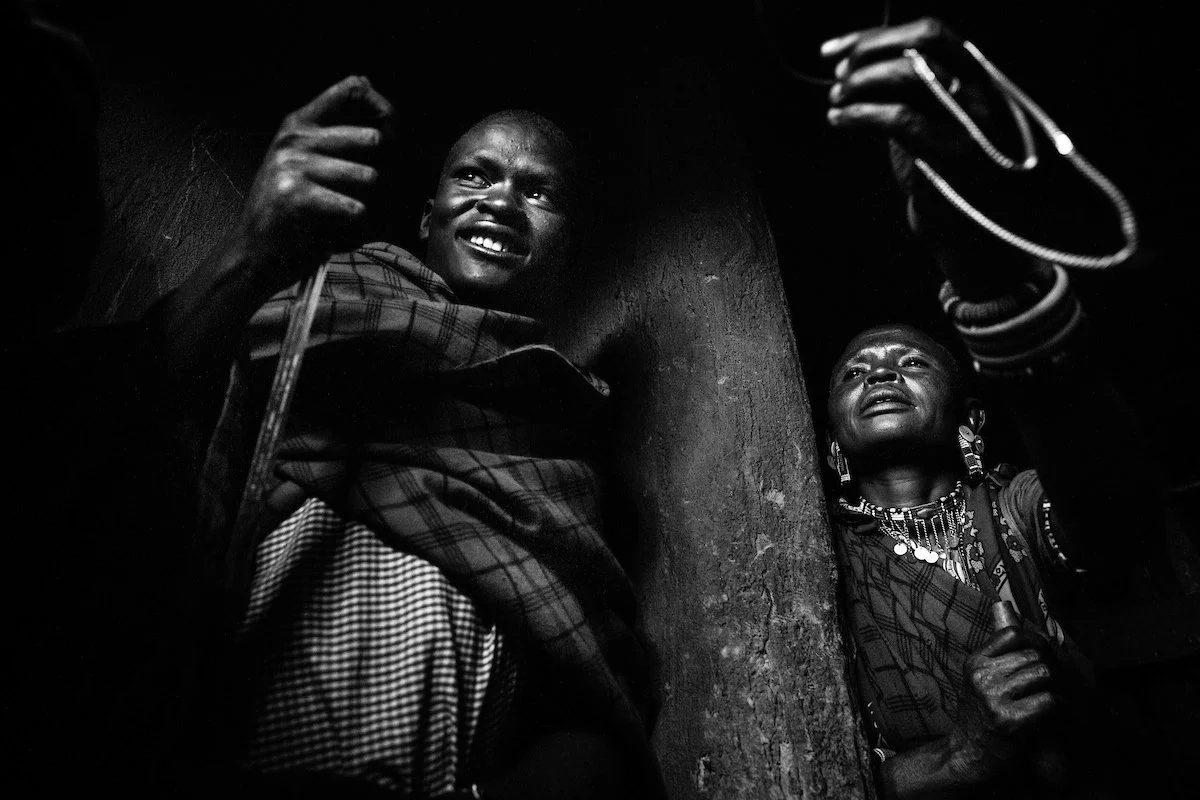
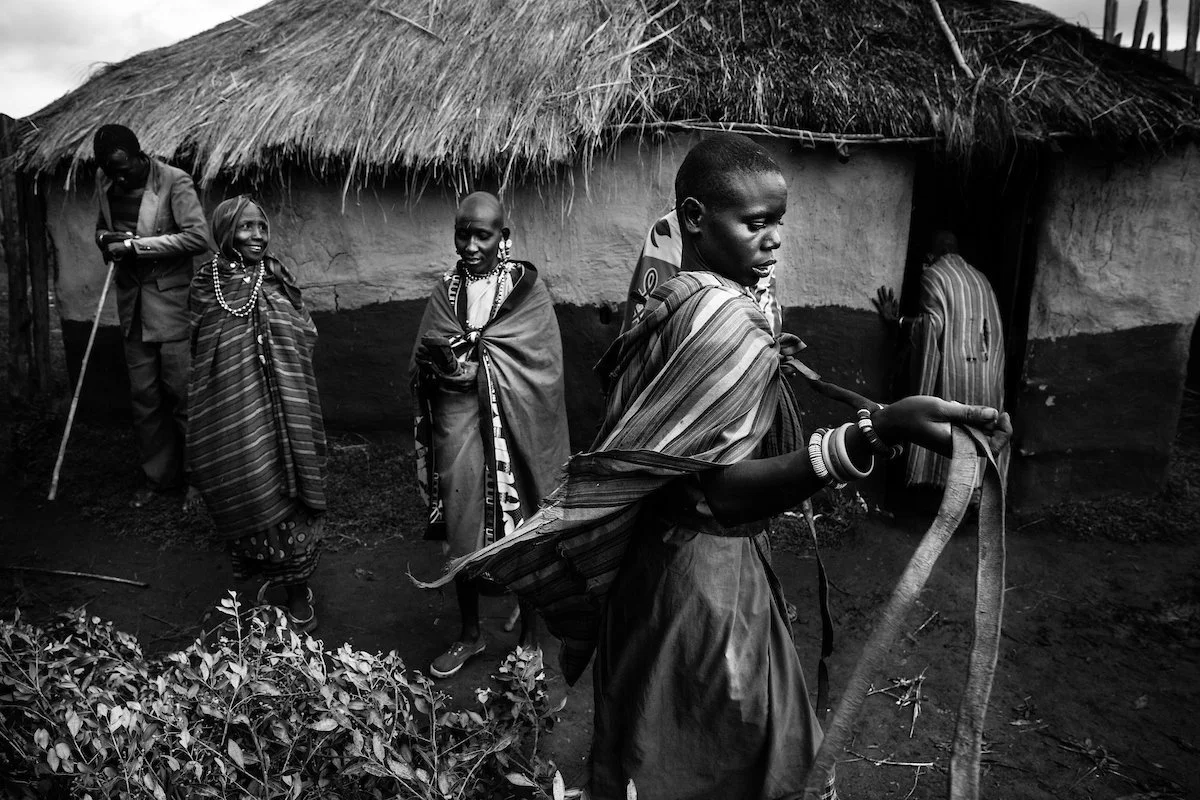
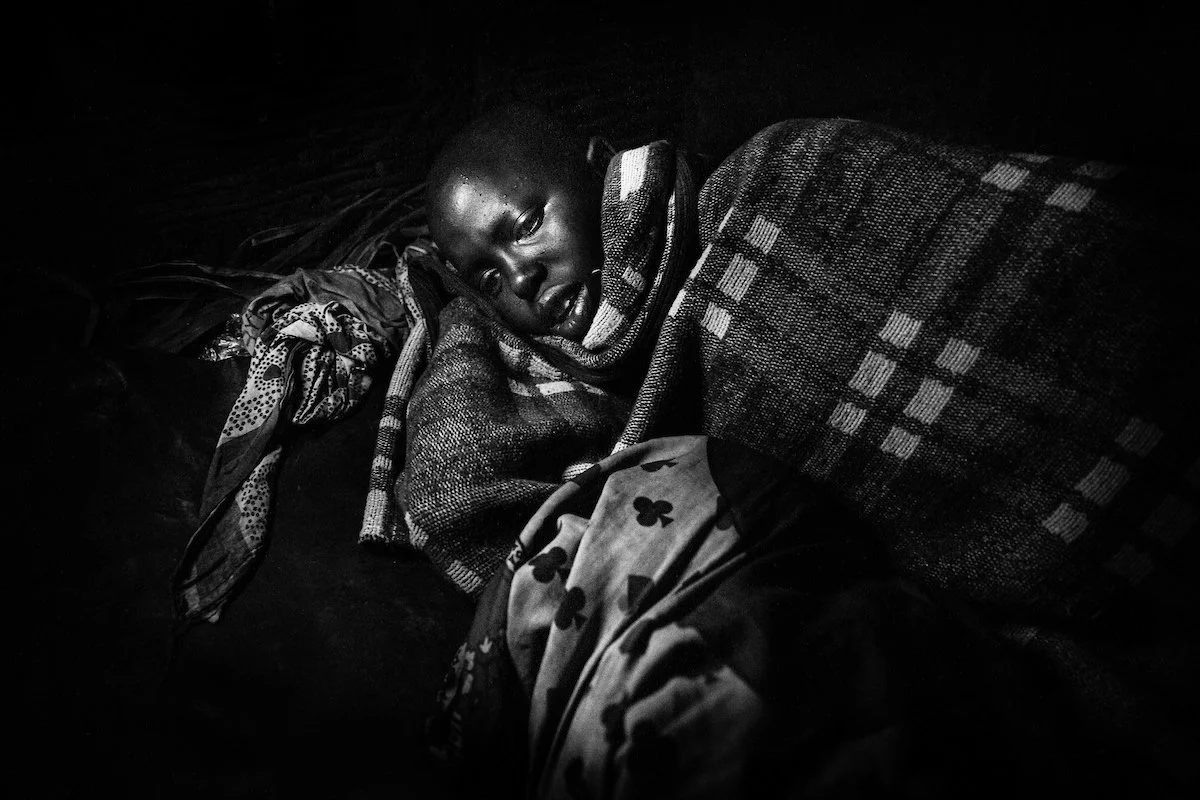
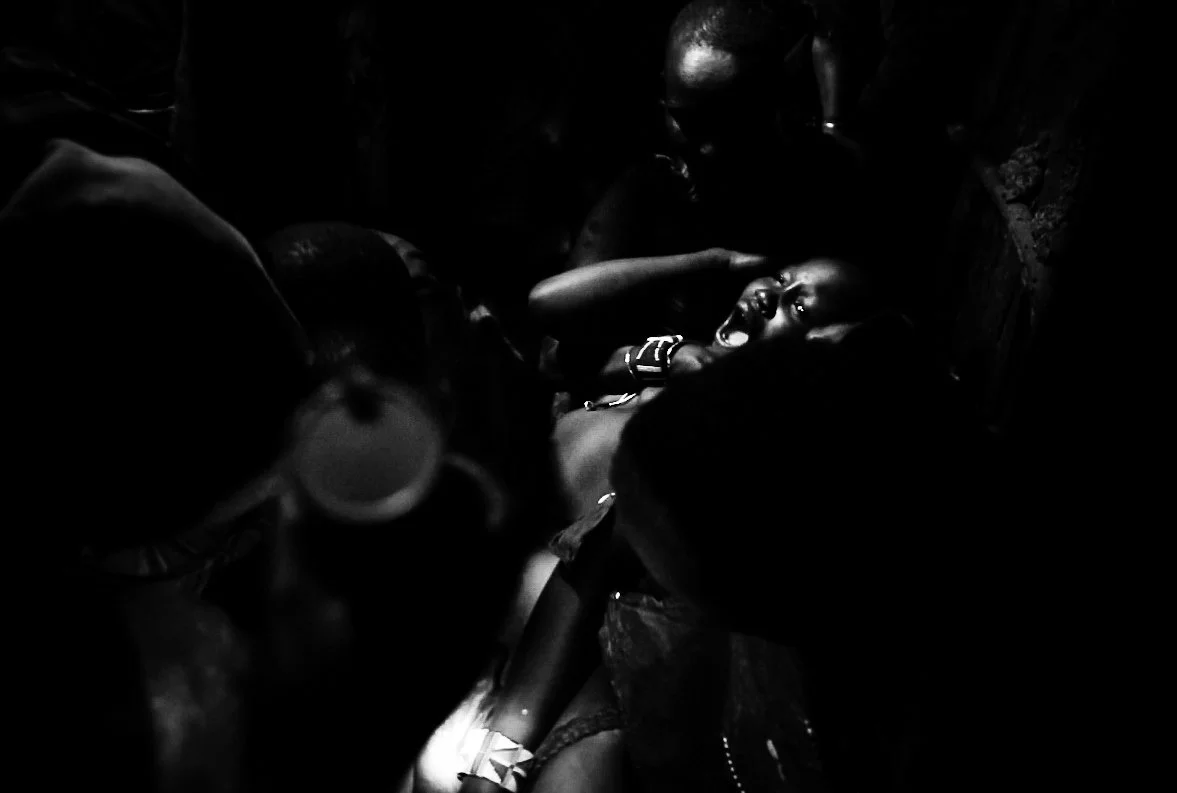
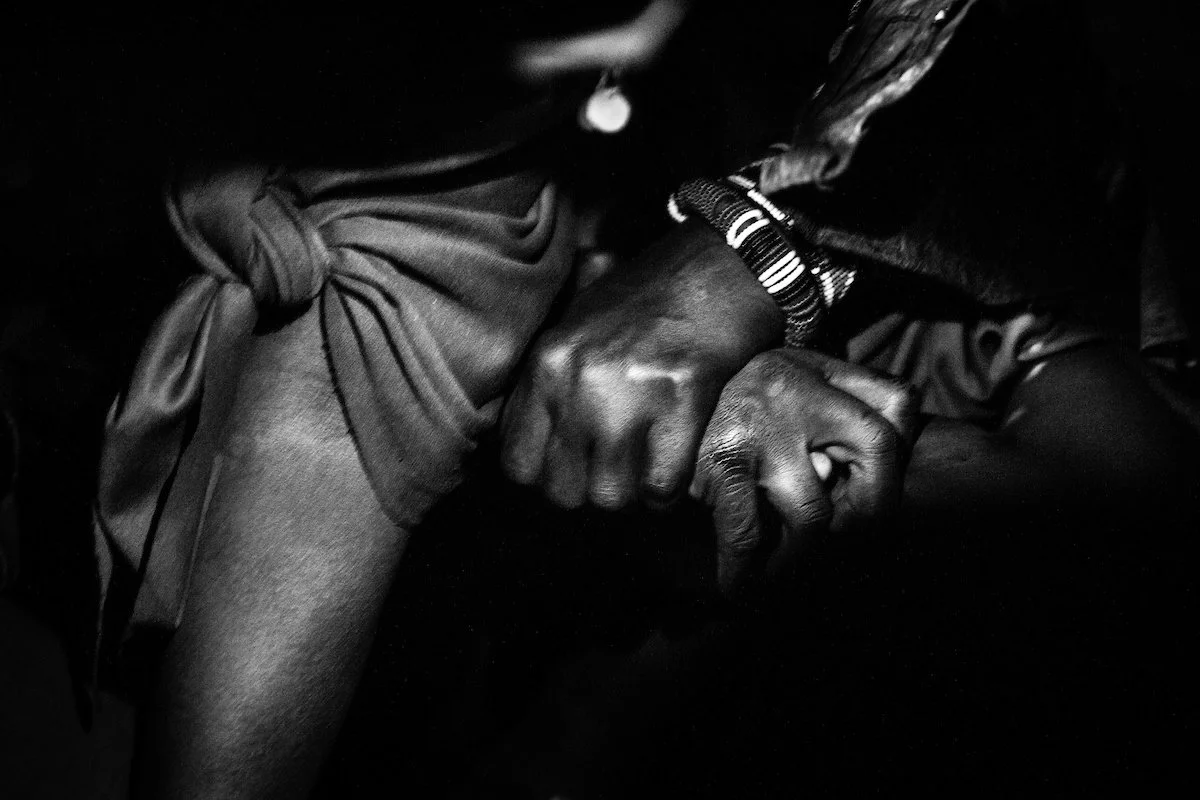
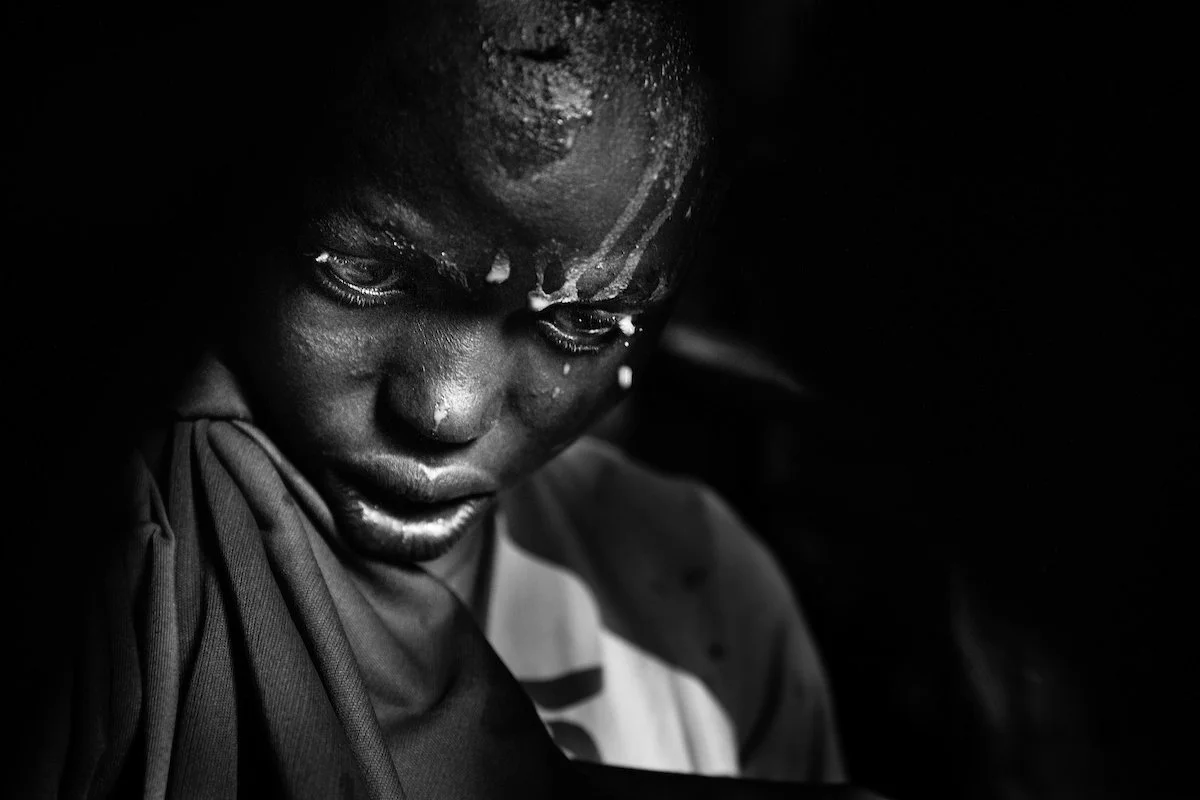
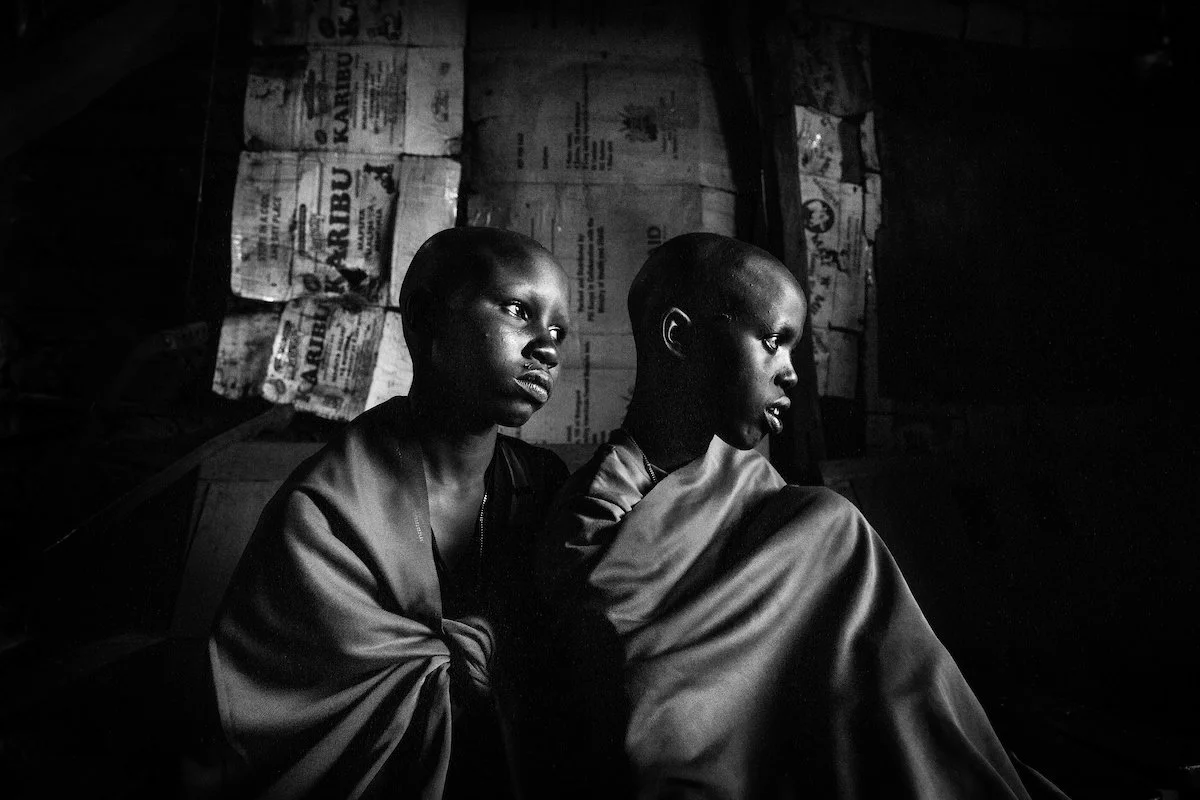
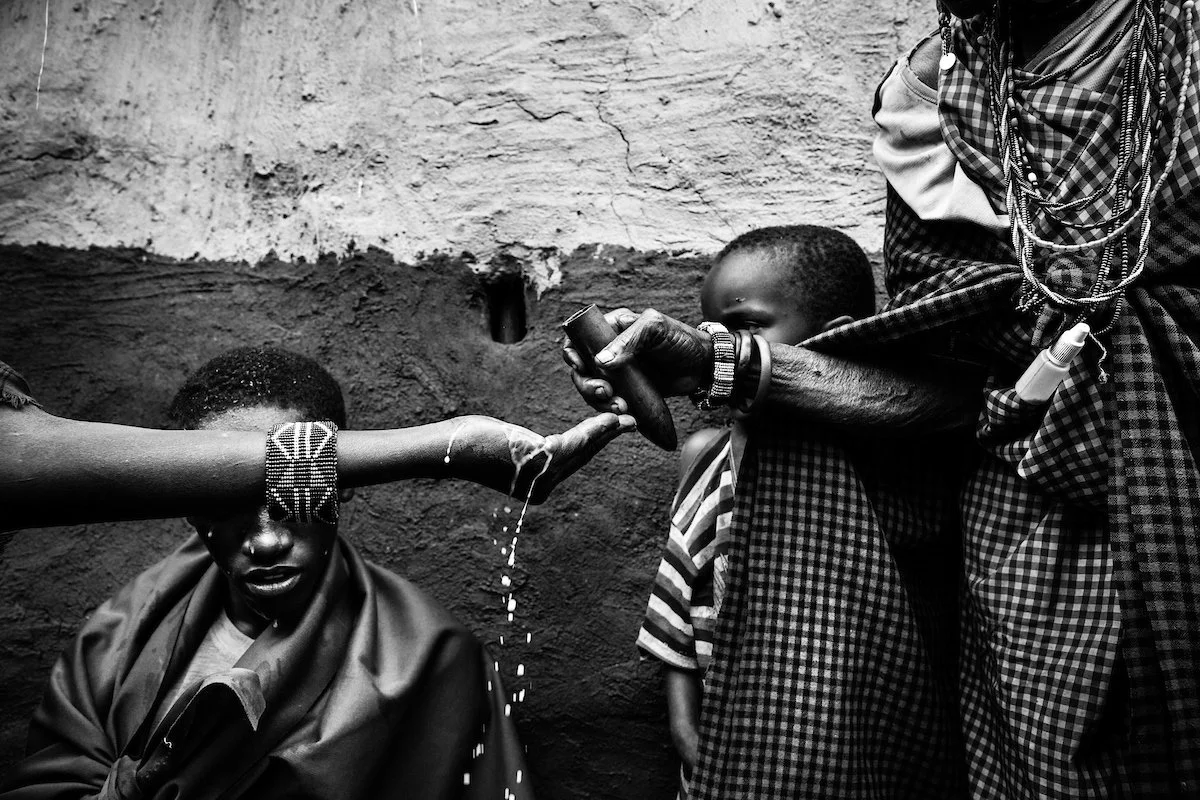
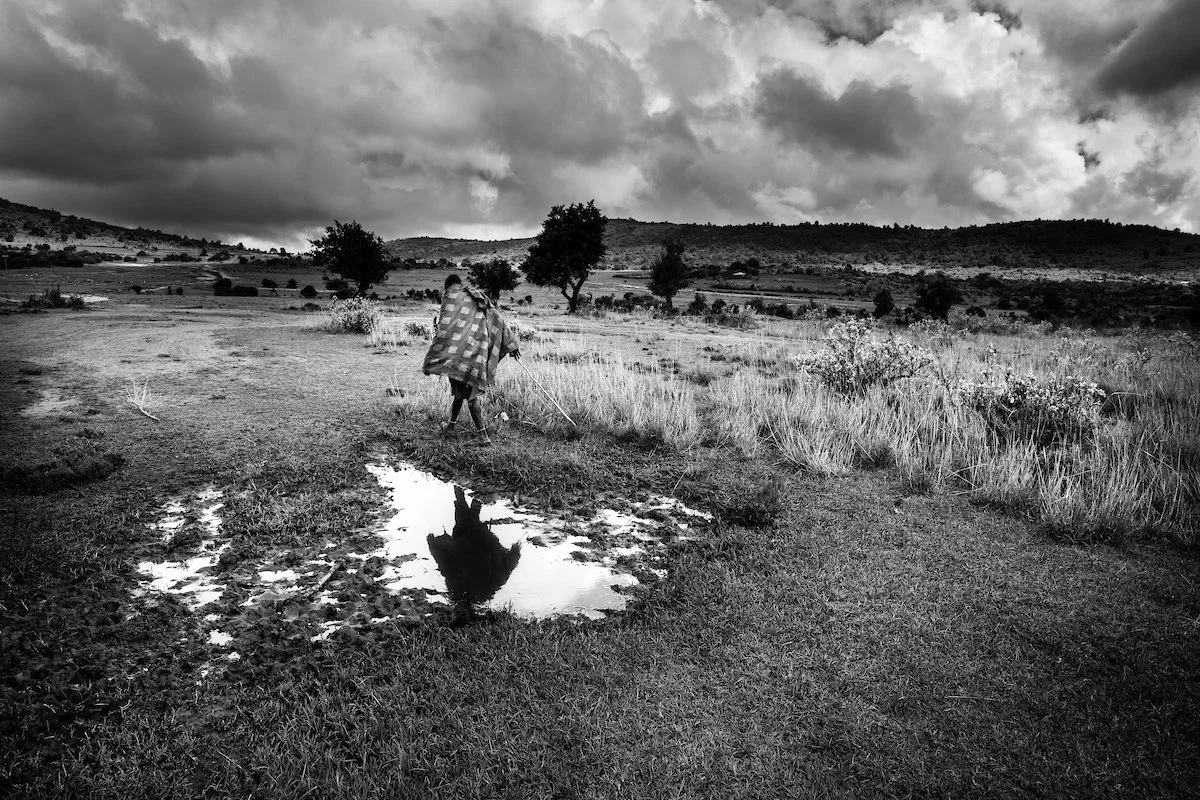
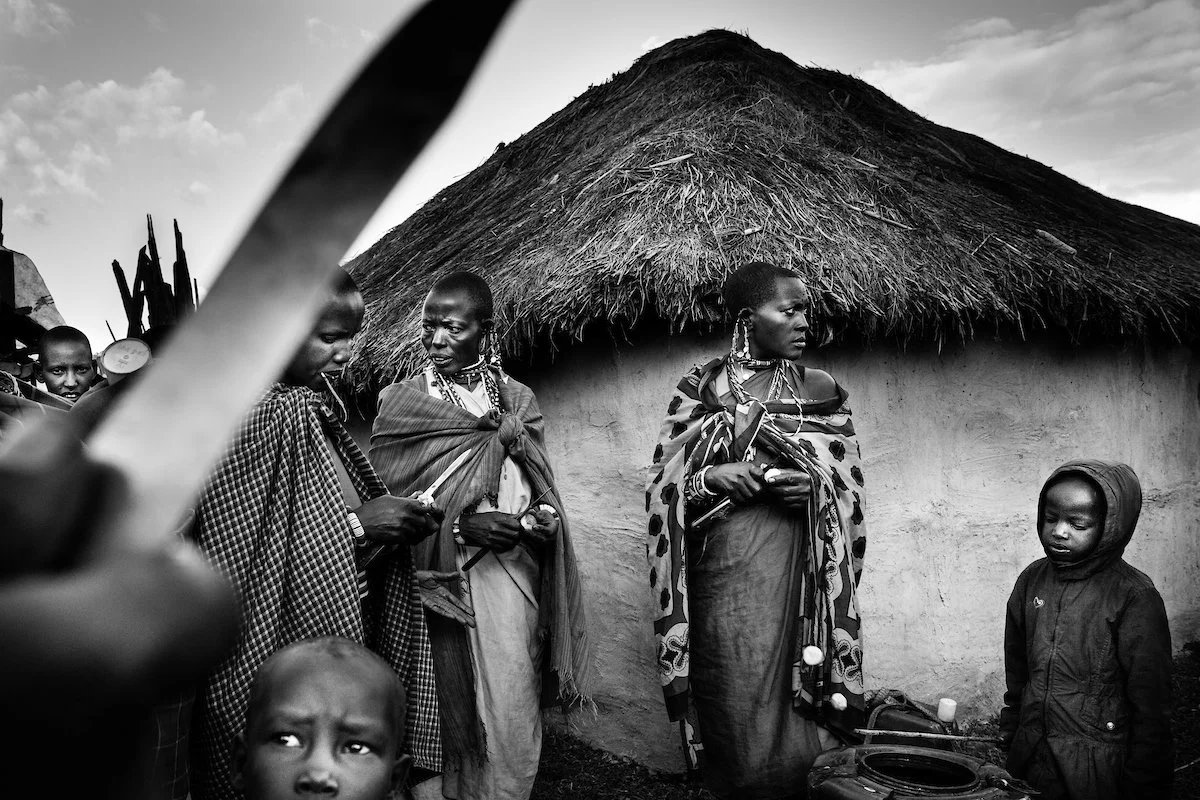
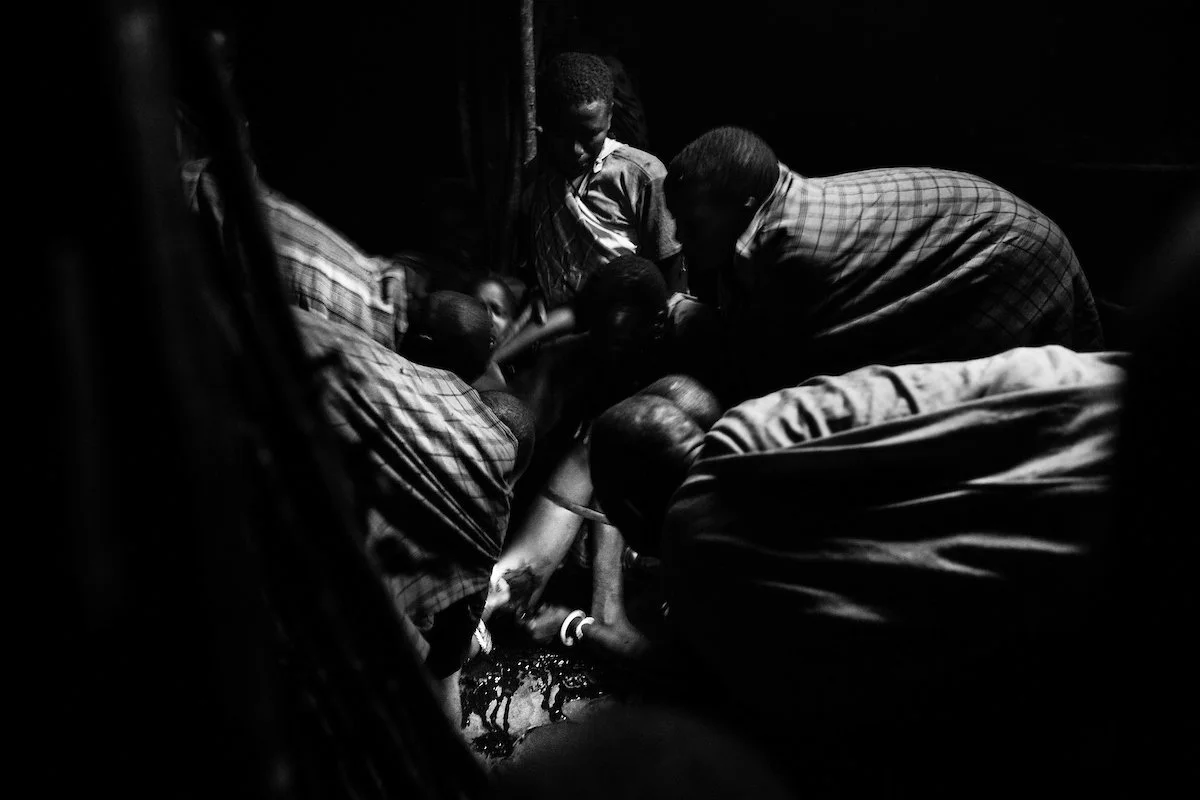
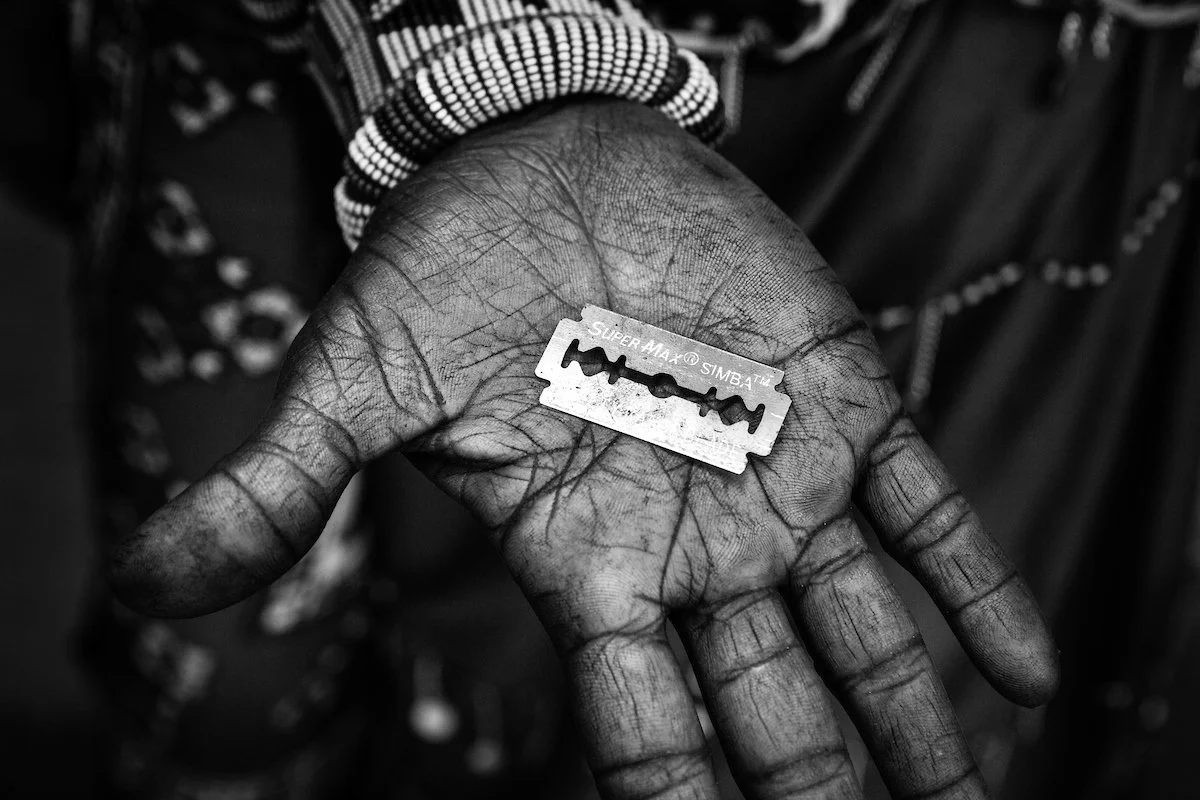
In Kenya, FGM has been illegal since 2001, yet in some groups—such as the Maasai—it remains a valued tradition tied to marriage. Isina and Nasirian, two 14-year-old sisters from a remote Maasai community, are among the girls subjected to cutting as part of this customs system.
FGM emerges from beliefs that female sexuality must be controlled, that the body is impure, and that cutting preserves family honor. A “cut” woman is seen as more acceptable for marriage and less likely to act outside expected norms.
FGM is recognized globally as a severe human rights violation rooted in gender inequality. The physical pain is only the beginning; the practice restricts bodily autonomy, sexual integrity and long-term wellbeing.
This project forms part of a decade-long documentation initiative in which I research FGM and develop a nonfiction book on the work of grassroots activists across 13 countries.