Re-customized;
De-colonized
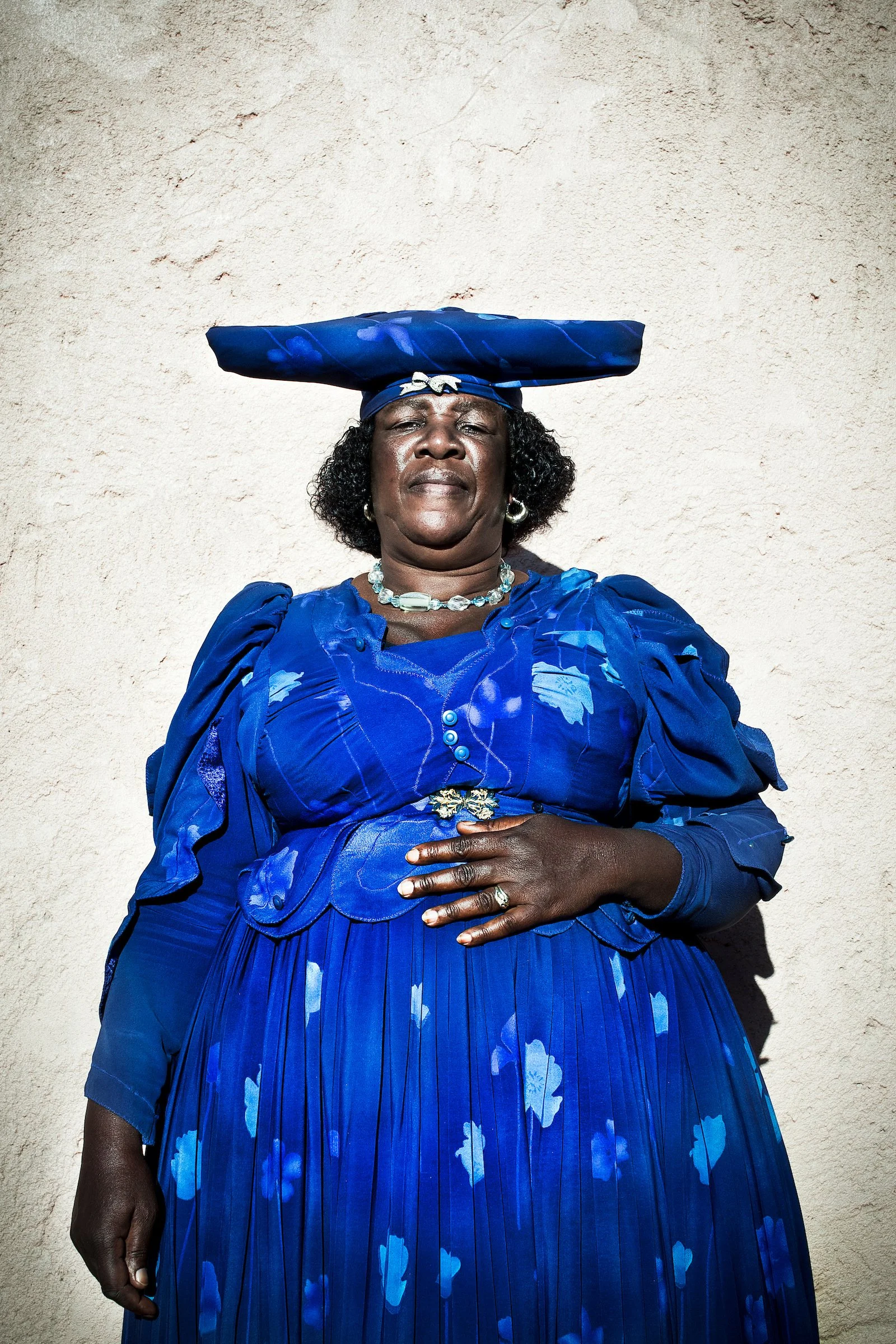
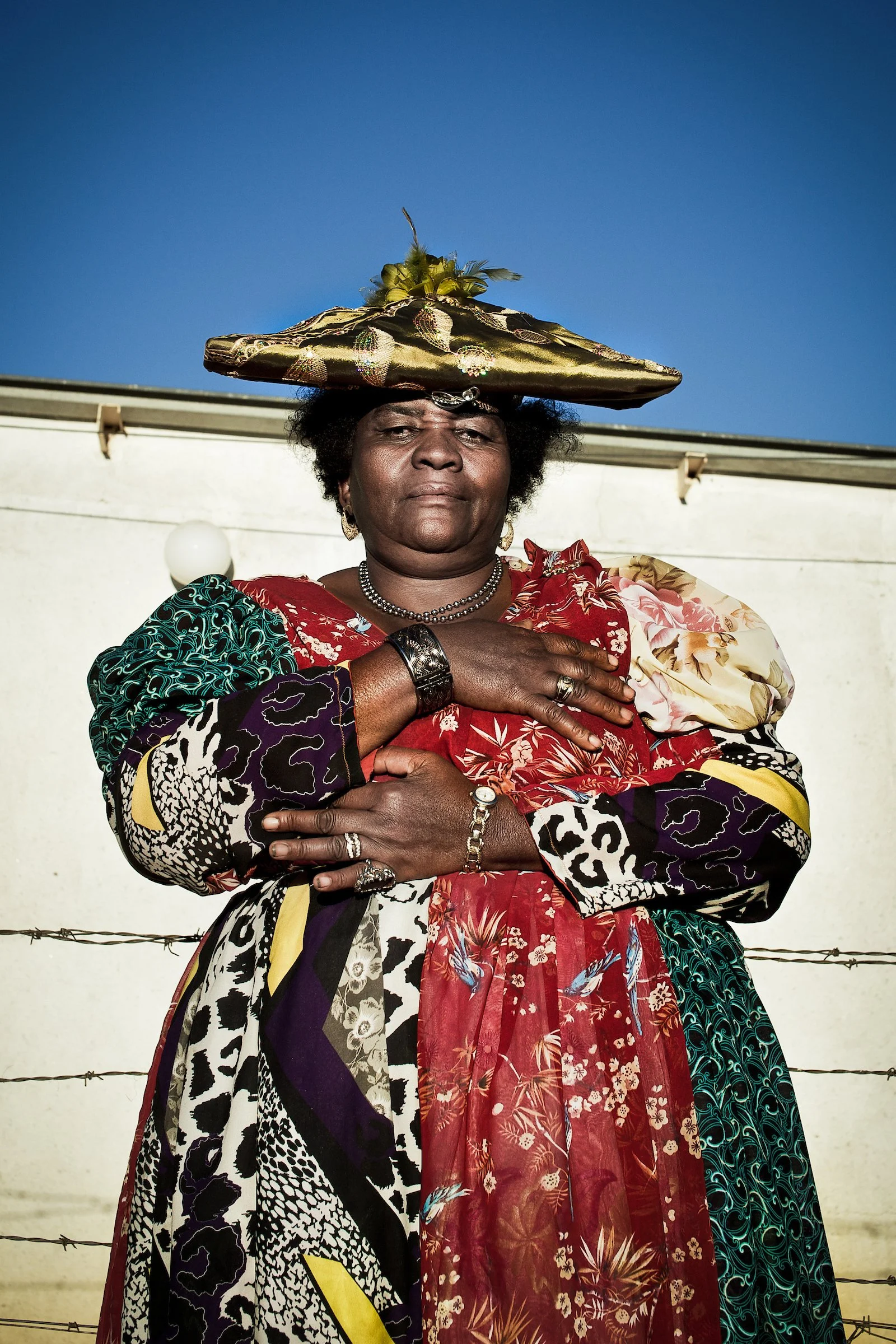
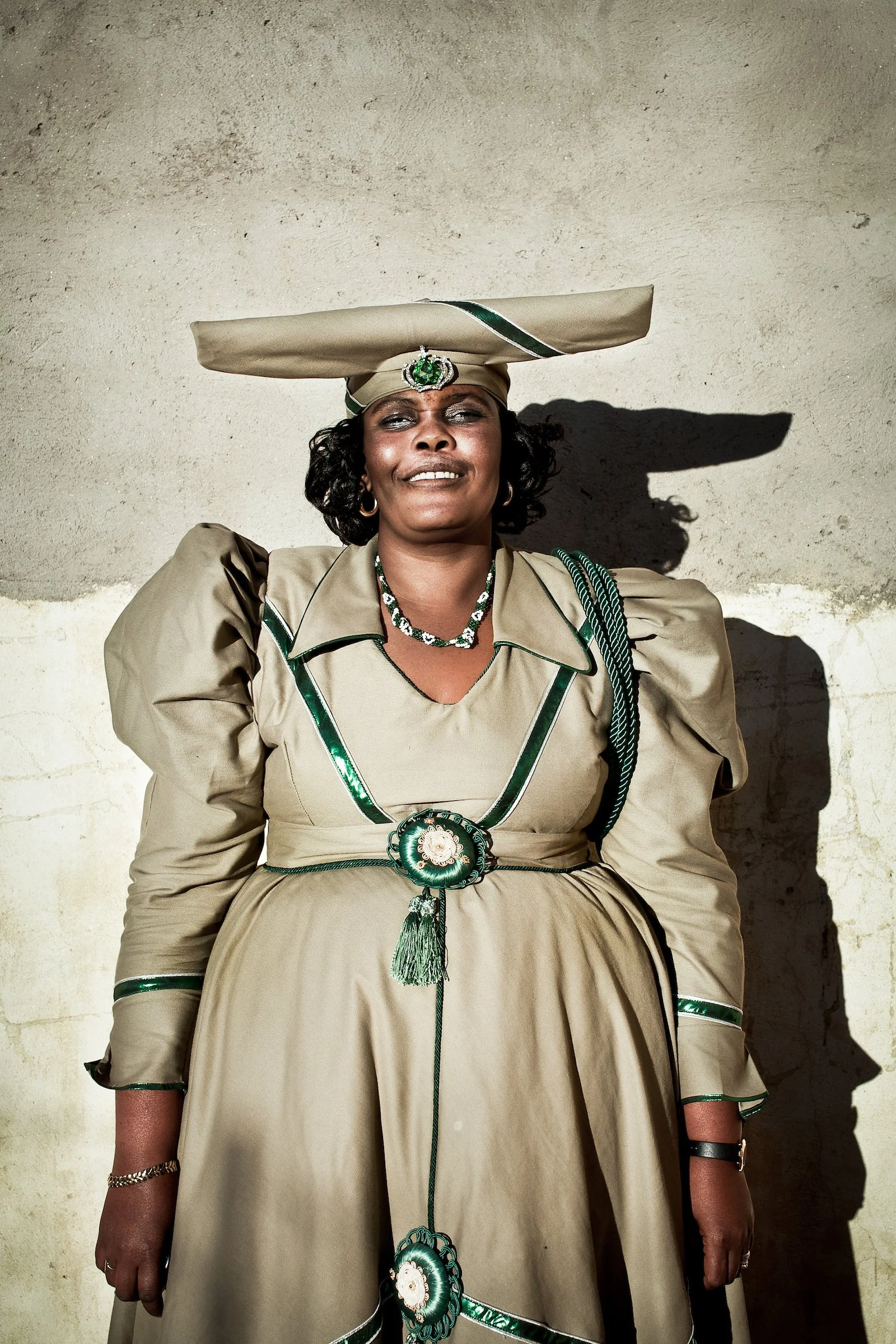
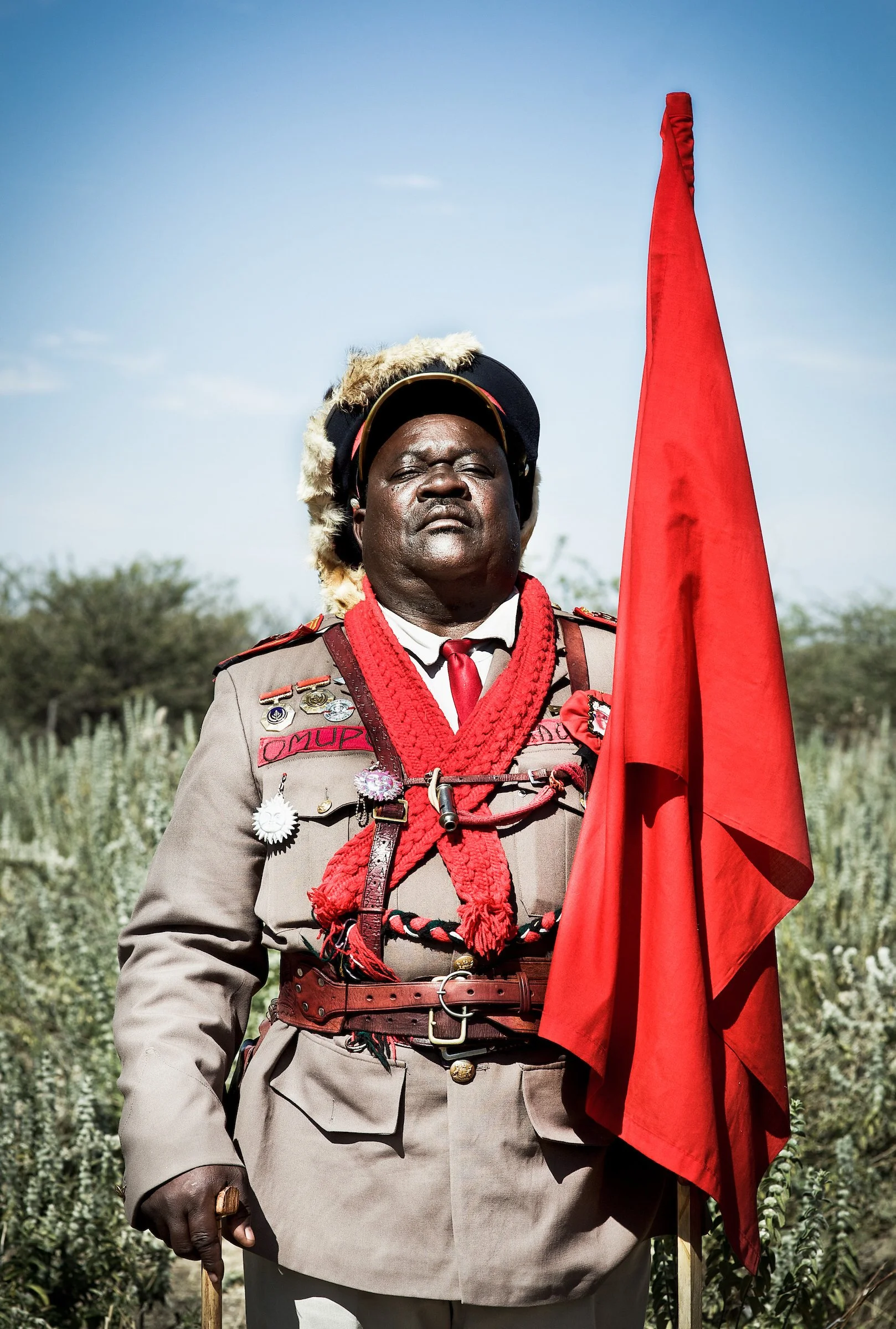
The Herero people of Namibia survived a near-total destruction under German colonial rule in the early 1900s, when up to 80% of the population was killed. The history of violence remains visible not only in collective memory but also in the community’s distinctive clothing.
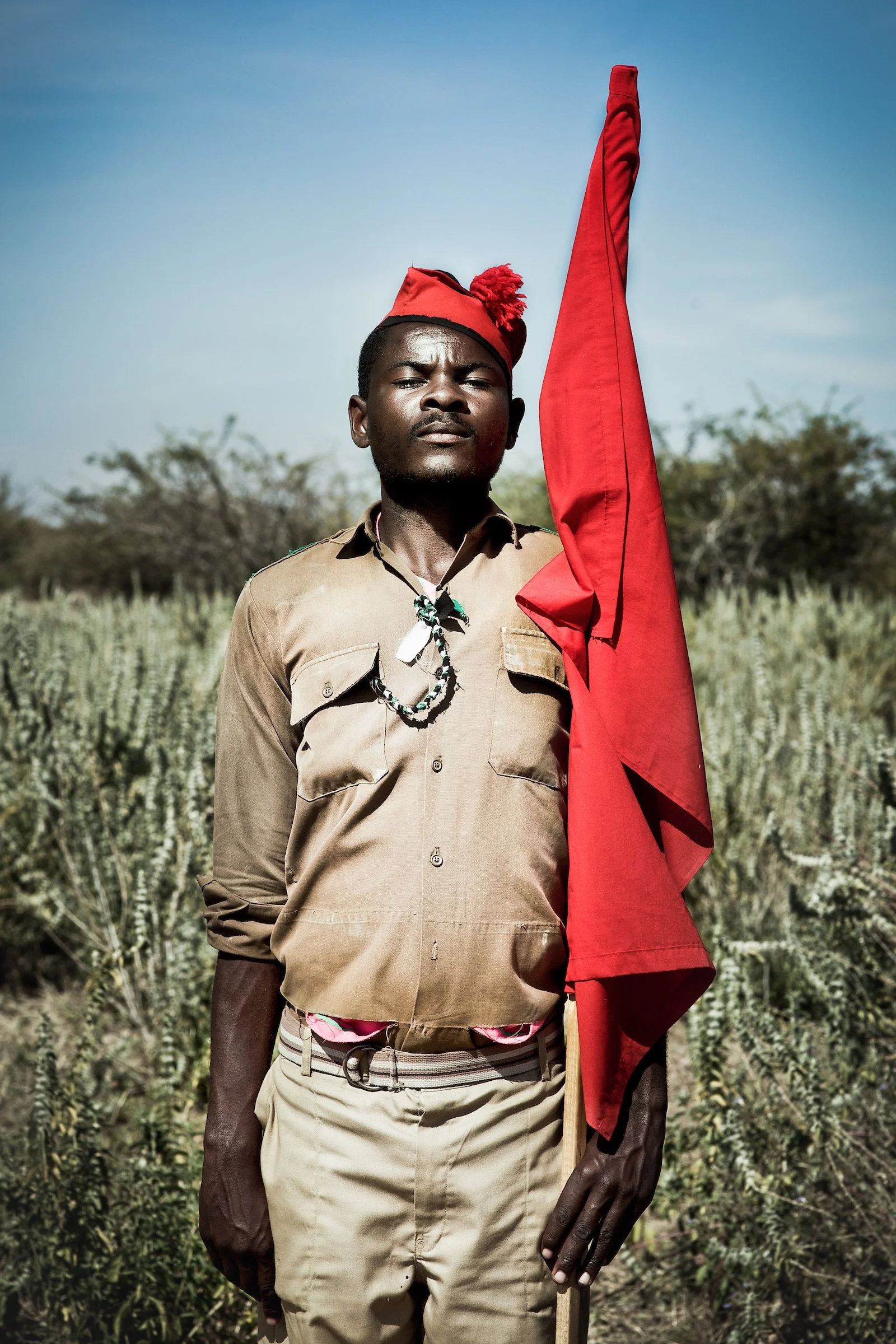
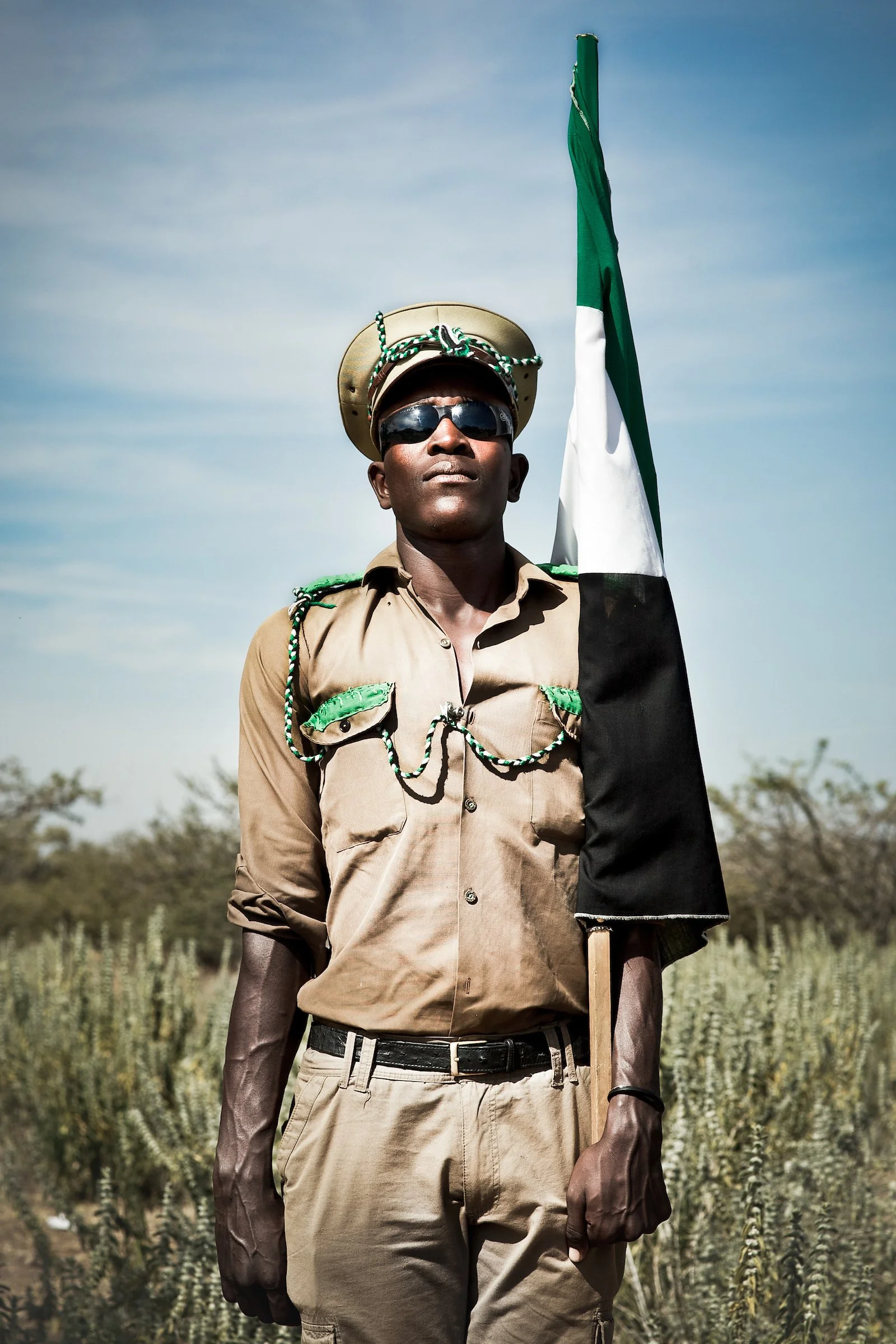
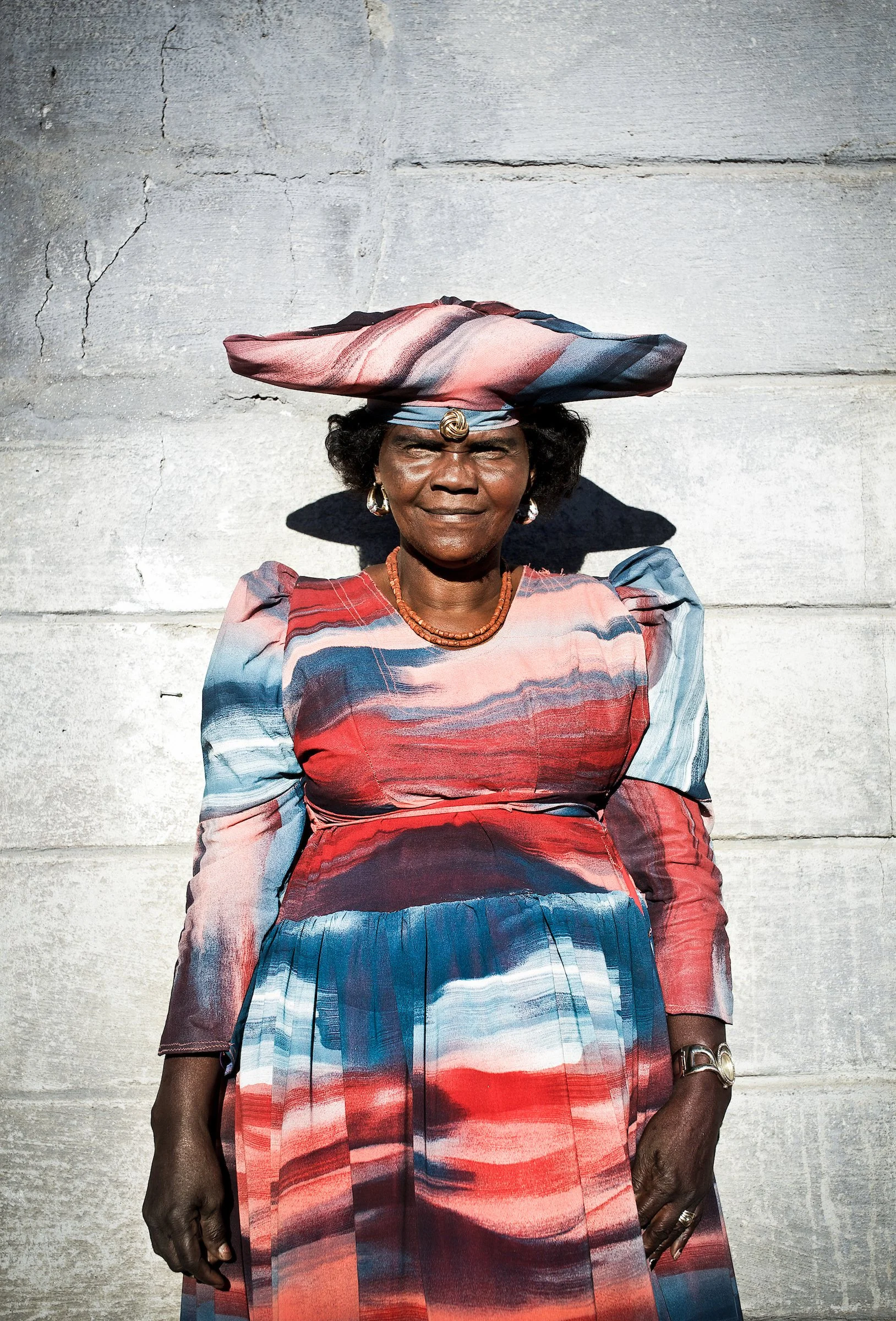
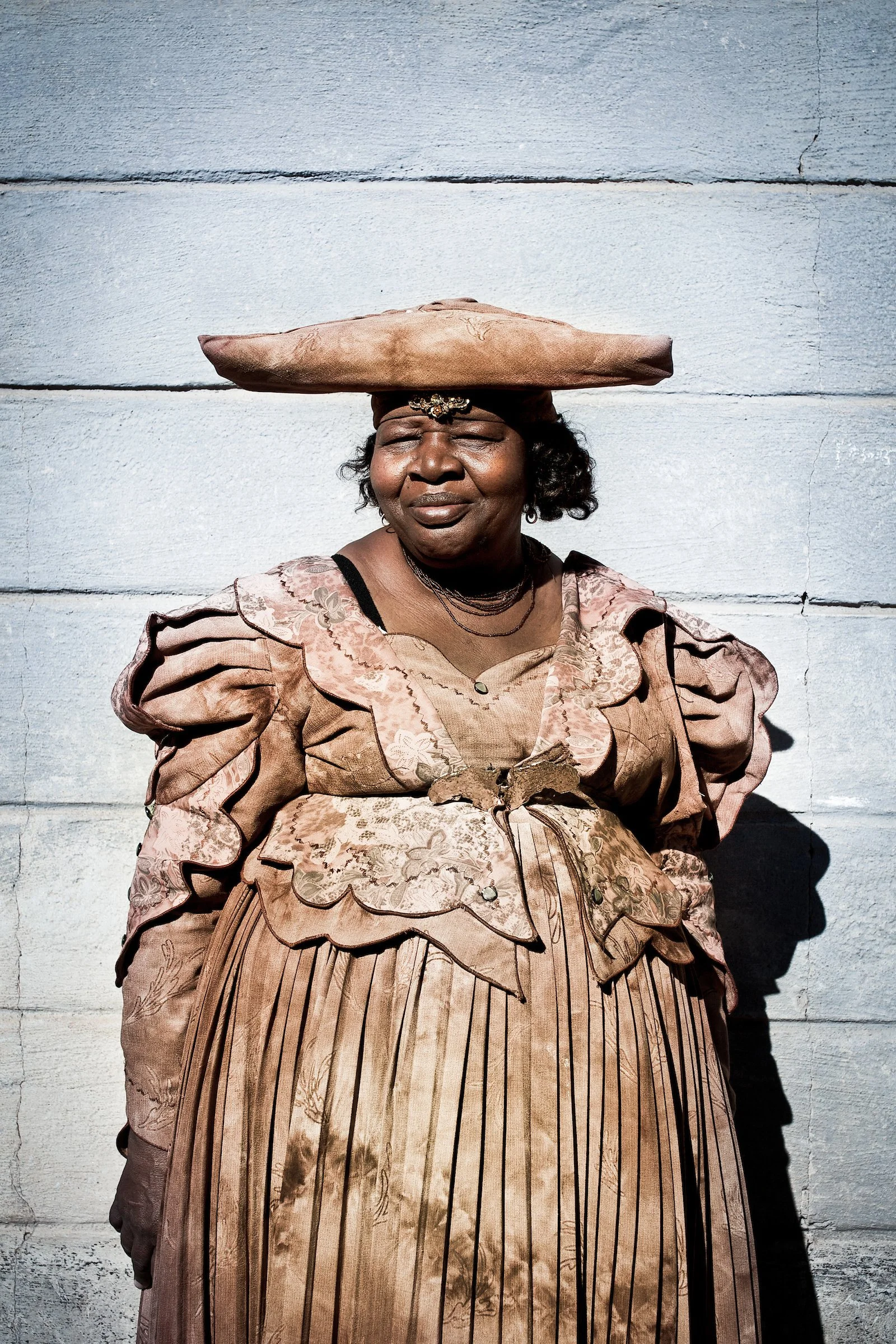
During colonial rule, Hereros were pressured to adopt Victorian dress and German-style uniforms. Today these garments have been reclaimed and transformed. Herero women wear long, structured gowns inspired by Victorian silhouettes known locally as Ohorokova. Men often adapt elements of German military attire as a symbolic reclaiming of power: by wearing the clothes of their former oppressors, they turn them into emblems of resilience and pride.. Their clothes are a statement: styles once imposed through violence are now tools of cultural assertion.
By reworking the visual language of their former oppressors, the Herero turn colonial symbols into their own. This act of re-customization is a form of de-colonization — a way of integrating painful history into the present and asserting agency over how that history is remembered and represented.